The Complexities of Youth Crime and Community Safety
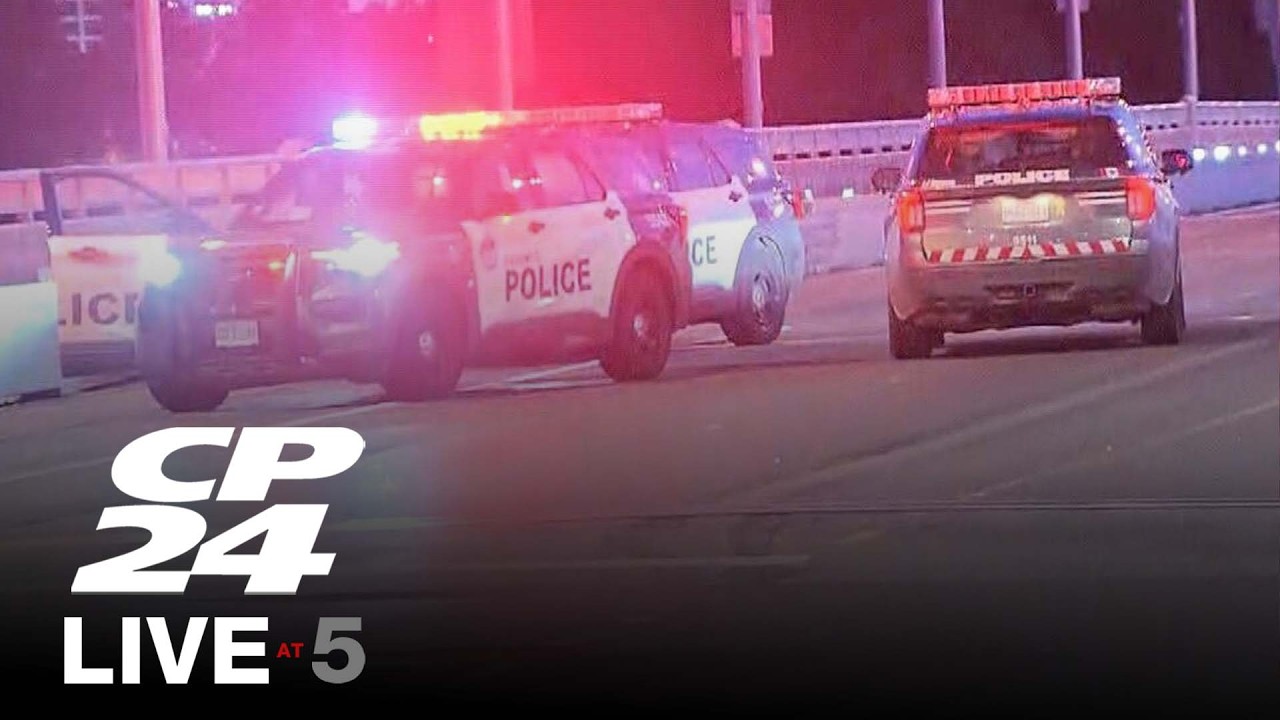
In a shocking incident on the Leaside Bridge involving a 12-year-old boy, the complexities of youth crime and community safety have come to the forefront. Charged with attempted murder after striking a police officer with a stolen vehicle, the event raises critical questions about juvenile accountability, societal norms, and the responsibilities of law enforcement.
The vehicle was reported stolen from a Danforth subway station. Shortly after the theft, police responded to the situation, leading to an altercation between officers and the young driver. Eyewitness accounts describe a chaotic scene: an officer pinned against a guardrail, firing multiple shots at the vehicle to neutralize the perceived threat. The police association has voiced concern about the incident, emphasizing the officer’s fear for his life.
Clayton Campbell, president of the Toronto Police Association, expressed the gravity of the situation, stating, “Officers are not going to use their firearm unless they think they’re going to be killed or seriously hurt.” This incident is particularly jarring, as it follows the recent murder of Constable Mark Panzado, who was shot while on duty. The increasing violence against police personnel compels communities to reassess their safety measures.
The ages of those involved—two 12-year-olds and a 13-year-old—have provoked a mix of shock and disbelief within the community. “It’s not surprising, but it is surprising,” remarked a local resident, reflecting on the alarming trend of youth engagements in violent behaviors. This opinion underscores the need for a societal introspection regarding youth culture and crime.
The ensuing investigation will likely focus on the circumstances surrounding the use of lethal force by the officer. Under Canadian law, police are typically encouraged to treat juvenile individuals differently than adults. However, when lives are at stake, such as in this case where an officer was reportedly threatened, the rules shift radically. Steve Ryan, a crime analyst, noted that while usually discouraged from firing at moving vehicles, officers are granted significant latitude when their lives or those of others are endangered.
As the story unfolds, it raises questions about accountability for young offenders. With limited legal recourse and societal expectations that often shield minors, how can communities effectively address such serious offenses? The recent wave of youth violence—particularly against law enforcement—demands that society offer both guidance and discipline to young individuals while ensuring the safety of community members.
Brampton’s proactive measures to prevent the chaos that marred previous celebrations, such as Canada Day checkpoints, reflect the broader societal challenges. Following incidents where young people irresponsibly discharged fireworks into crowds, officials are determined to mitigate unrest. “If you are caught using fireworks in a way that causes harm to others, you will be arrested,” warned Brampton’s mayor, highlighting a strict stance against reckless behaviors.
Moreover, the implications of community responses are significant. The ramifications of a crime involving minors affect not only the perpetrators but also local residents. An observer at the scene captured the underlying tension, articulating the struggle of feeling safe in a neighborhood supposedly without peril. “It serves as a reminder that we do live in a city, and things happen," she stated, reflecting a sentiment shared by many.
Finally, the broader socio-political context cannot be overlooked. The recent peace deal between the U.S. and Iran, poised to shake global markets, indicates that violence is not confined to local incidents. Those developments can have rippling effects on pricing at gas pumps in the Greater Toronto Area, impacting the daily lives of citizens.
In summary, the intersection of youth crime, community safety, and law enforcement highlights a critical dilemma. With rising incidents of violence involving minors, society must navigate the delicate balance between nurturing youth and ensuring public safety. Solutions will require cooperation among law enforcement, community organizations, and families to cultivate a secure environment where children can thrive without falling into cycles of crime. The need for a coordinated approach has never been more urgent as communities grapple with the challenges of modern life.